
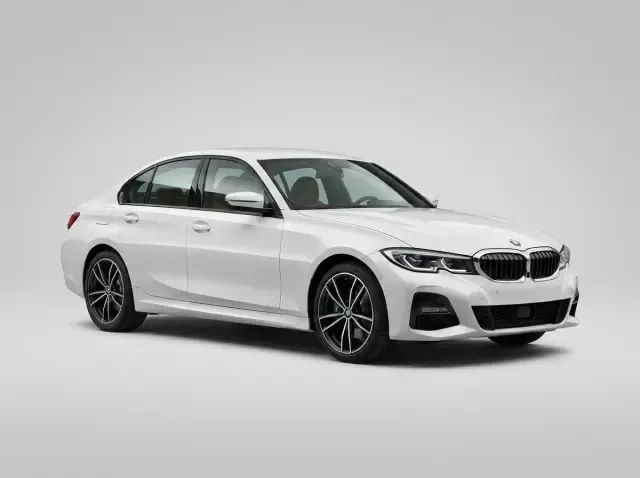

2019 — 2022
2.0L B48 Turbo (Plug-in Hybrid) - eDrive
Petrol Plug-in Hybrid
Check the iDrive 7 system for any 'Energy Management' or 'Drivetrain' warnings in the service menu. | Note: Modern BMW hybrids are 'computers on wheels'; any intermittent electrical gremlins can be expensive to chase, so a clean health check is mandatory.
Connect the car to a charger and ensure it negotiates a charge without 'Charging Port' errors on the dash. | Note: Some early G20 models had issues with the Combined Charging Unit (CCU) or the locking actuator. If it fails to lock the cable or terminates charging prematurely, the unit may need replacement.
Switch between 'Hybrid' and 'XtraBoost' modes while driving on an open road. | Note: Ensure the electric boost is delivered smoothly without any drivetrain shudders. The G20 330e is much more powerful than the F30, putting more strain on the drivetrain dampers and flex discs (Guibos).
Test the steering at low speeds for any 'notchiness' or friction. | Note: The G20 platform's electric steering rack can occasionally develop a sticky feel, especially in the heavier hybrid variants. It should be buttery smooth from lock to lock.
The ZF 8-speed transmission fluid and filter service is highly recommended here to maintain the 'XtraBoost' shift speed and smoothness.
Inspect the B48 engine's cooling system, particularly the coolant vent line and the water pump, which are known weak points at this mileage.
Expect to refresh the rear suspension bushings; the G20 hybrid battery adds significant mass that stresses the subframe mounts over time.
Only use high-quality, low-ash synthetic oil every 10,000km to protect the turbocharger from the frequent stop-start cycles of hybrid driving.
Regularly lubricate the charging port door hinge and seal to prevent it from becoming sticky or brittle in NZ's high UV conditions.
Check the AdBlue system (if applicable in certain export markets, though rare for NZ 330e) or focus on the fuel system cleaner every 20,000km.
Confirm the auxiliary 12V battery is healthy; a weak 12V battery is the leading cause of 'fake' hybrid system failures in the G20.
Inspect the brake pads for 'glazing' or seizure due to infrequent use—a common issue for eco-conscious drivers.
Estimated repair costs if issues arise
If the car stops charging or won't release the cable, the actuator or the charging control unit may need a specialist repair.
The G20's B48 engine still relies on several plastic cooling components that are prone to leaking after 4-5 years of heat cycles.
Budget for front and rear control arms if the car starts to feel 'loose' or clunks over speed bumps due to the extra hybrid weight.
Noticed something inaccurate or missing?Suggest an edit→
Disclaimer: This report is generated with the assistance of AI analysis based on verified automotive data. While we strive for 100% accuracy, enthusiasts should always conduct physical inspections and consult service records. View Full Disclaimer