
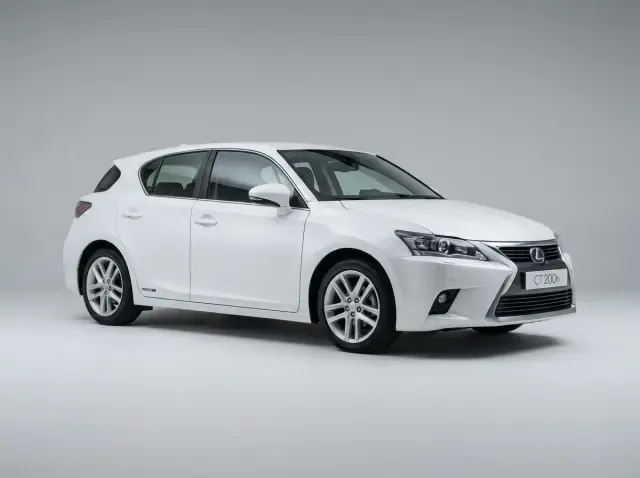

2014 — 2017
1.8L 2ZR-FXE I4 Hybrid (100kW) - FWD
Petrol Hybrid
Check for 'shudder' during ICE (Internal Combustion Engine) engagement | Note: Lexus revised the piston rings and EGR cooler for the 2014+ models to address oil burning, but carbon buildup persists. If the transition from EV to Petrol feels jerky or vibrates the dash, the EGR circuit is narrowing, which increases thermal stress on the cylinder head.
Inspect center console and Remote Touch controller for 'squeaks' | Note: The 2014 facelift introduced a more rigid chassis and better materials, but the center screen housing and the 'mouse' controller are known to develop rattles over NZ's coarse-chip roads. Press on the trim during the drive to identify loose clips.
Perform a 'high-load' fan test for the Hybrid Battery | Note: The intake vent is located by the rear right seat. Use a flashlight to check the mesh. If the hybrid fan becomes loud or sounds like a vacuum cleaner during the drive, the cooling fins are likely clogged with NZ pet hair or dust, leading to cell overheating and premature failure.
Inspect LED headlight lenses for internal micro-cracks | Note: The updated 2014 LED units are prone to 'crazing' under harsh NZ UV exposure. Any visible moisture or cloudiness inside the lens is a major concern, as these are sealed units; a failure usually requires a full, expensive headlight replacement.
Major service threshold: In addition to Iridium spark plugs, a proactive diagnostic check of the hybrid battery's internal resistance is advised for peace of mind.
Hybrid system refresh: Replace both the engine coolant and the separate inverter coolant. Also, inspect the electric water pump; unlike traditional pumps, these fail electronically without leaking first.
Suspension overhaul: The 2014+ dampers were tuned for more comfort, but at this mileage, the front 'Z-link' sway bar ends and lower ball joints typically require replacement to maintain 'Lexus' handling.
Strictly adhere to 0W-20 oil viscosity; the VVT-i system in the 2ZR-FXE engine relies on thin oil to function correctly and maintain fuel efficiency.
Clean the hybrid battery cooling fan and filter every 20,000km; heat is the primary enemy of NiMH battery longevity in New Zealand's varied climate.
Verify the 12V auxiliary battery (AGM type) health; these are often overlooked in hybrids and can trigger multiple ECU communication faults if the voltage is low.
Examine the rear hatch gas struts; the 2014+ hatch is slightly heavier, and worn struts can lead to the hatch falling unexpectedly, a safety risk.
Service the eCVT transaxle fluid (Toyota WS); ignoring this 'lifetime' fluid can lead to increased planetary gear whine as the car ages.
Estimated repair costs if issues arise
While 2014+ batteries are generally robust, they still face chemical aging. Expect a total replacement cost if the dashboard 'Check Hybrid System' warning appears.
The inverter is the heart of the car. If the dedicated electric cooling pump fails, it can take the inverter with it, leading to a massive repair bill.
Even with the improved 2014 design, a professional clean every 100k km is the best insurance against a $3,000+ head gasket repair.
Noticed something inaccurate or missing?Suggest an edit→
Disclaimer: This report is generated with the assistance of AI analysis based on verified automotive data. While we strive for 100% accuracy, enthusiasts should always conduct physical inspections and consult service records. View Full Disclaimer