
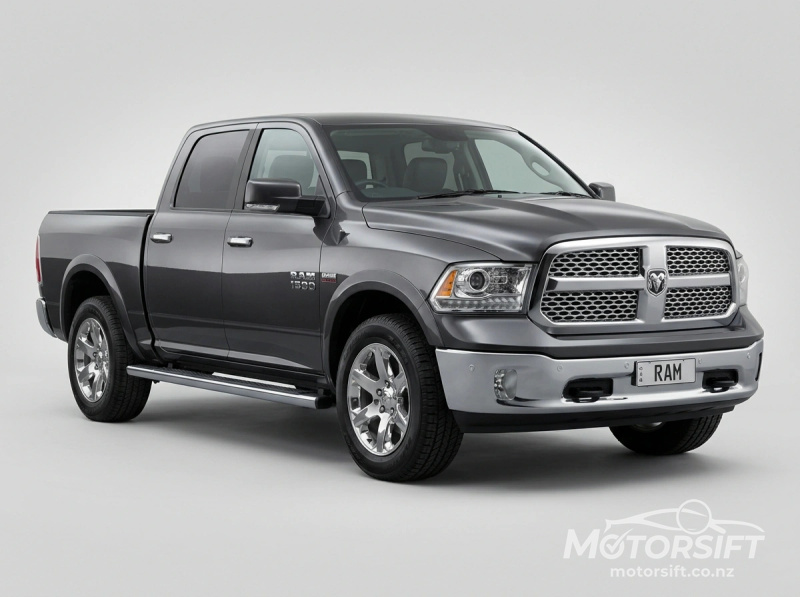

2009 — 2013
4.7L PowerTech V8
Petrol
Start the engine from cold and listen closely near the front wheel arches for a rhythmic ticking sound that fades away as the engine warms up.
Remove the oil filler cap to inspect for milky residue or thick black sludge, and listen for heavy top-end tapping/clatter at hot idle.
Shift between Reverse and Drive while stationary, then accelerate through all gears checking for delayed engagement or shuddering in the 545RFE/65RFE gearbox.
Inspect the custom RHD conversion steering shaft clearance relative to the exhaust manifolds, checking for contact marks or thermal damage on boot covers.
Perform routine engine oil service with high-quality synthetic oil. Rotate tyres and inspect the custom RHD steering conversion components for accelerated wear.
Replace all 16 spark plugs (two per cylinder) and perform a comprehensive transmission service including replacing both the sump and spin-on filters.
Conduct a full cooling system flush with HOAT coolant, replace the water pump and thermostat proactively, and service front and rear differential fluids.
Adhere to a strict 5,000 km to 7,500 km engine oil change interval using high-quality synthetic oils to prevent severe sludge build-up.
Inspect the plastic radiator side tanks and coolant hoses regularly for hairline cracks, as the 4.7L engine does not tolerate overheating.
Ensure only licensed Chrysler ATF+4 fluid is used in the transmission; using generic fluids will cause shift issues and clutch wear.
Regularly lubricate the front steering and suspension grease nipples using high-quality chassis grease at every oil change interval.
Ensure the cabin is dry by checking under the rear floor mats for leaks caused by a weathered third brake light seal.
Estimated repair costs if issues arise
Requires extracting broken studs from the aluminum cylinder heads. Often requires removing inner fender liners for access. Common task in NZ.
Replacement of the internal solenoid block, dual filters, pan gasket, and fresh ATF+4 fluid to cure shifting issues and gear hunting.
If the 4.7L overheats, the aluminum heads warp easily. Requires head removal, machining, new gaskets, and head bolts.
Replacing worn factory upper/lower ball joints and control arm bushings with heavy-duty aftermarket units to restore sharp handling.
Noticed something inaccurate or missing?Suggest an edit→
Disclaimer: This report is generated with the assistance of AI analysis based on verified automotive data. While we strive for 100% accuracy, enthusiasts should always conduct physical inspections and consult service records. View Full Disclaimer